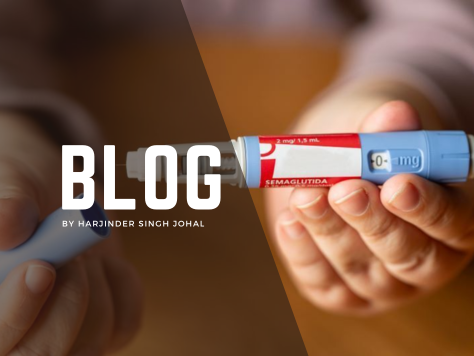
New NICE Guidance on Obesity for adults and children
Implementing the New NICE Guidance on Obesity
As many of you may be aware, NICE – National Institute for Health and Care Excellence has recently updated guidance on obesity for adults and children. The rising use of GLP-1 medications and other anti-obesity drugs signals a shift in treatment. More than ever, encouraging a multipronged holistic approach to managing obesity is vital. We need to manage the root cause of obesity, and not just the symptoms.
The new guidelines suggest tailoring weight management to the individual and implementing evidence-based behavioural interventions focussing on diet modification, encouraging healthy eating habits, and effective behaviour-change strategies such as setting goals/motivational techniques and increasing physical activity. Personal circumstances, cultural barriers, physical health needs, and neurodevelopmental and psychological factors should also be considered.
Patients need to be followed up appropriately and long-term therapy plans are crucial to ensuring ongoing care and sustained weight management.
This is supported by Randomized Clinical Trials of Weight-Loss Maintenance: A Review- published by Obesity in 2009. This review analysed 42 RCTs that investigated weight loss strategies. The aim of the study was to evaluate the effectiveness of various interventions designed to help individuals maintain weight loss after an initial reduction in body weight.
Interestingly, multi-component programmes, combining dietary changes, behavioural therapy and exercise, were found to be most effective in promoting long-term weight management. The study also highlighted that sustaining weight loss remained a major challenge for individuals; long-term adherence to lifestyle changes such as dietary modifications and increased physical activity were difficult for many participants.
Another more long-term study, The National Weight Control Registry (NWCR), is the largest long-term study of patients who have successfully lost weight and maintained the loss over time. The study was established in 1994 and is still ongoing. The registry tracks behaviours, strategies and habits of individuals who have lost and maintained a loss of at least 30 lbs for a minimum of one year.
Participants of the study report that maintaining weight loss requires a lifetime commitment and self-discipline. Regular physical activity, dietary consistency, structured meals and having support systems in place were identified as common strategies for weight maintenance. Challenges for participants included lifestyle changes and plateaus in weight loss. This study also emphasises the importance of a comprehensive approach to weight management and an individualised approach.
It will certainly be interesting to see how the new guidance is implemented across primary care, promoting a holistic approach for the management of patients from all backgrounds taking into account a combination of cultural, linguistic and socio-economic issues.
By Harjinder Singh Johal
Lead Medicines Optimisation Pharmacist | Independent Prescriber