Becoming an Advanced Pharmacist through Credentialling
The primary care pharmacy workforce is expanding rapidly. This year in England alone, there will be at least 5,000 more staff like clinical pharmacists, pharmacy technicians, nurses, and physician associates. Clinical pharmacists and pharmacy technicians work as part of a multidisciplinary team to deliver NHS primary health care and the prevention agenda. Their work focusses on improving value and outcomes from medicines. Becoming an advanced pharmacist through credentialling is an opportunity for professional development.
Clinical pharmacists work in a patient facing role to clinically assess and treat patients. They rely on their expert knowledge of medicines for specific disease areas. Clinical pharmacists need evidence-based and timely continuing professional development (CPD) to keep their expert knowledge current.
How MORPh can help you with becoming an advanced pharmacist through credentialling
The MORPh Primary Care Training Network recognised clinical pharmacists’ emerging and continuing learning needs in 2001. It has been our mission to provide support ever since. To provide effective CPD, MORPh combines different methods of learning. Training webinars, e-learning resources on our educational platform, best practice techniques and idea sharing with peers in our Telegram groups. These focused learning opportunities allow individuals to develop.
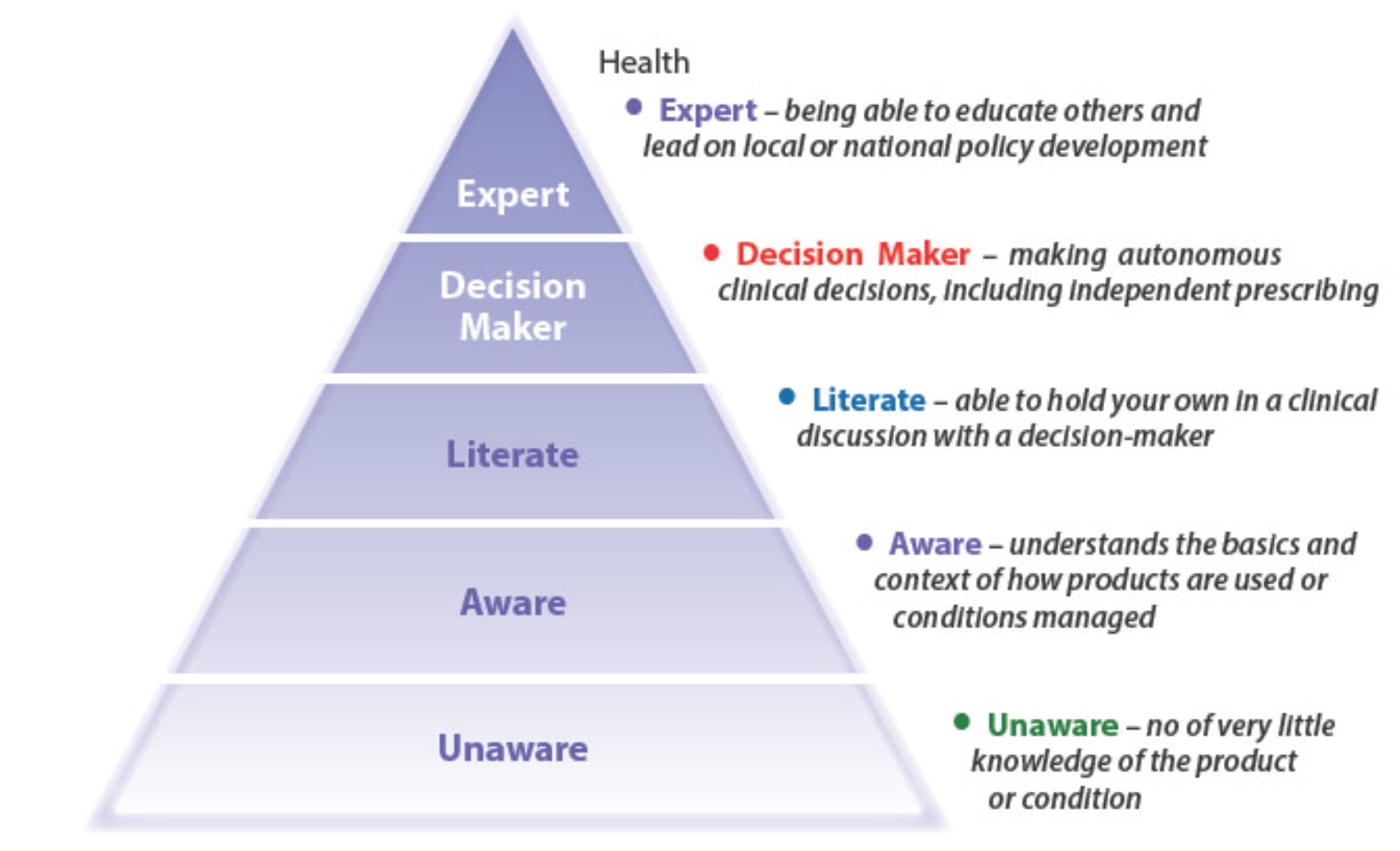
Credentialling and the MORPh competency Triangle
Beginning at the unaware level such as novices attending the GP pharmacist access course, we offer learning opportunities for pharmacists throughout MORPh’s Clinical Practice Competency Triangle. An example of delegates at a more advanced level is pharmacists with a special interest participating in the diabetes academy.
Credentialling may or may not be a term that you are familiar with. It is the process of establishing the qualifications of licensed professionals and assessing their competency and legitimacy. Our Royal Pharmaceutical Society (RPS) Faculty has been reviewing portfolios of evidence to support skills qualification since 2013. Credentialling has therefore been embedded within current processes already. Pharmacists can now earn additional post-nominals to demonstrate advanced practice. In this way, your effort and commitment to advance your professional practice can be recognised.
With the RPS Faculty Programme you can:
- Advance your knowledge, skills and performance.
- Build a solid portfolio of your practice and experience.
- Create a professional development plan to advance your career.
- Complete CPD that counts towards revalidation.
- Benefit from personal feedback to support your journey.
- Earn impressive post-nominals that demonstrate your advanced level of practice to peers, employers, patients, and the public.
It is free to access the RPS Faculty Resources and build your online portfolio. Earn your post-nominals by submitting your portfolio for assessment (£300 fee applies). For detailed guidance on building your portfolio and the assessment process visit the RPS Resources page.
The RPS has a parallel credentialling process to accredit pharmacists aiming for consultant pharmacist posts. This is a programme for pharmacists (members and non-members) who are looking to become credentialed as consultant-ready pharmacists. You can record and compile all the evidence of your learning and assessment evidence against the consultant pharmacist curriculum outcomes. Revised consultant pharmacist guidance was published in January 2020 enabling further development of consultant pharmacist posts across England, Wales and Northern Ireland. In Scotland the pharmacist postgraduate career framework includes practice at a level equivalent to consultant which aligns with this revised publication.
To start preparing for credentialling you will need to:
- Consider all pillars of practice:
-
- Clinical practice
- Leadership
- Research
- Education
- Use APF ASII as a guide to identify:
-
- Your strengths
- How would you evidence?
- Where are your gaps?
- Familiarise yourself with the credentialling processes and tools
About the credentialling process for advanced pharmacists
The credentialling process provides assurance to patients and other healthcare professionals that pharmacists are practising within the appropriate advanced roles. It also allows progress in your career and the opening of opportunities to leadership.
To become a member of MORPh Training today and gain access to the MORPh Educational Platform, please visit the educational platform homepage. You can also find out more about the diabetes academy and leadership academy.
Blog post created by MORPh Associate Director Sally Lau.